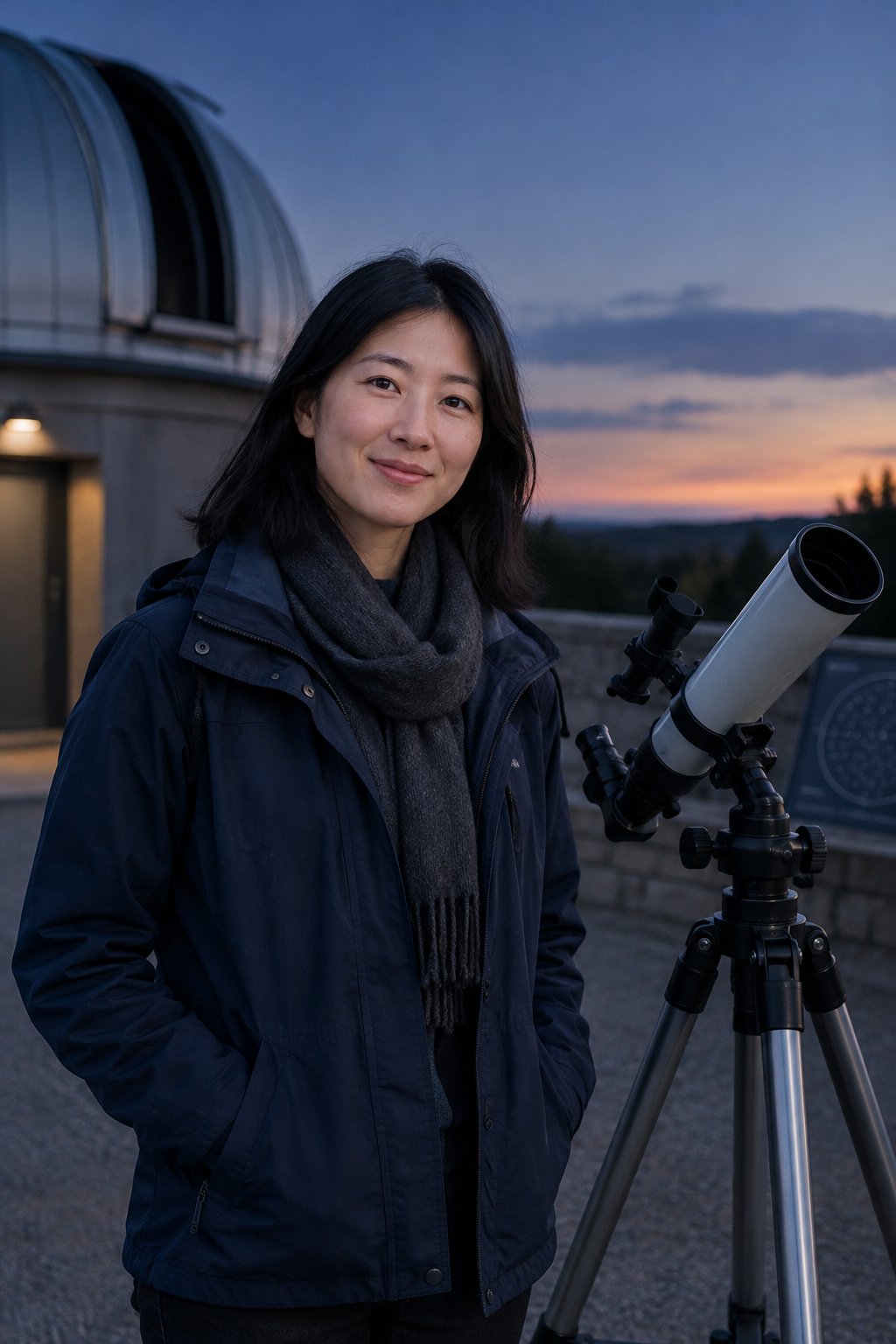
Lena Park
Program Coordinator
Lena plans monthly observing nights, posts weather-aware updates, and makes sure first-time visitors know exactly where to begin.
About Moonbeam Astronomy Club
Our mission is to help neighbors explore the night sky together through clear guidance, shared observation habits, and welcoming meetups that make astronomy approachable for every experience level.
Guided observation: step-by-step sky sessions that show where to look, what to notice, and how to record it.
Shared learning: practical constellation tips, telescope basics, and post-meetup note sharing.
Seasonal focus: monthly priorities tied to current celestial events and visible night-sky targets.
Patient beginner support: friendly answers, no-pressure pacing, and mentorship from returning members.
Club organizers
Our organizers are volunteers who help members feel at home, learn the sky with confidence, and stay connected between meetups.
Program Coordinator
Lena plans monthly observing nights, posts weather-aware updates, and makes sure first-time visitors know exactly where to begin.
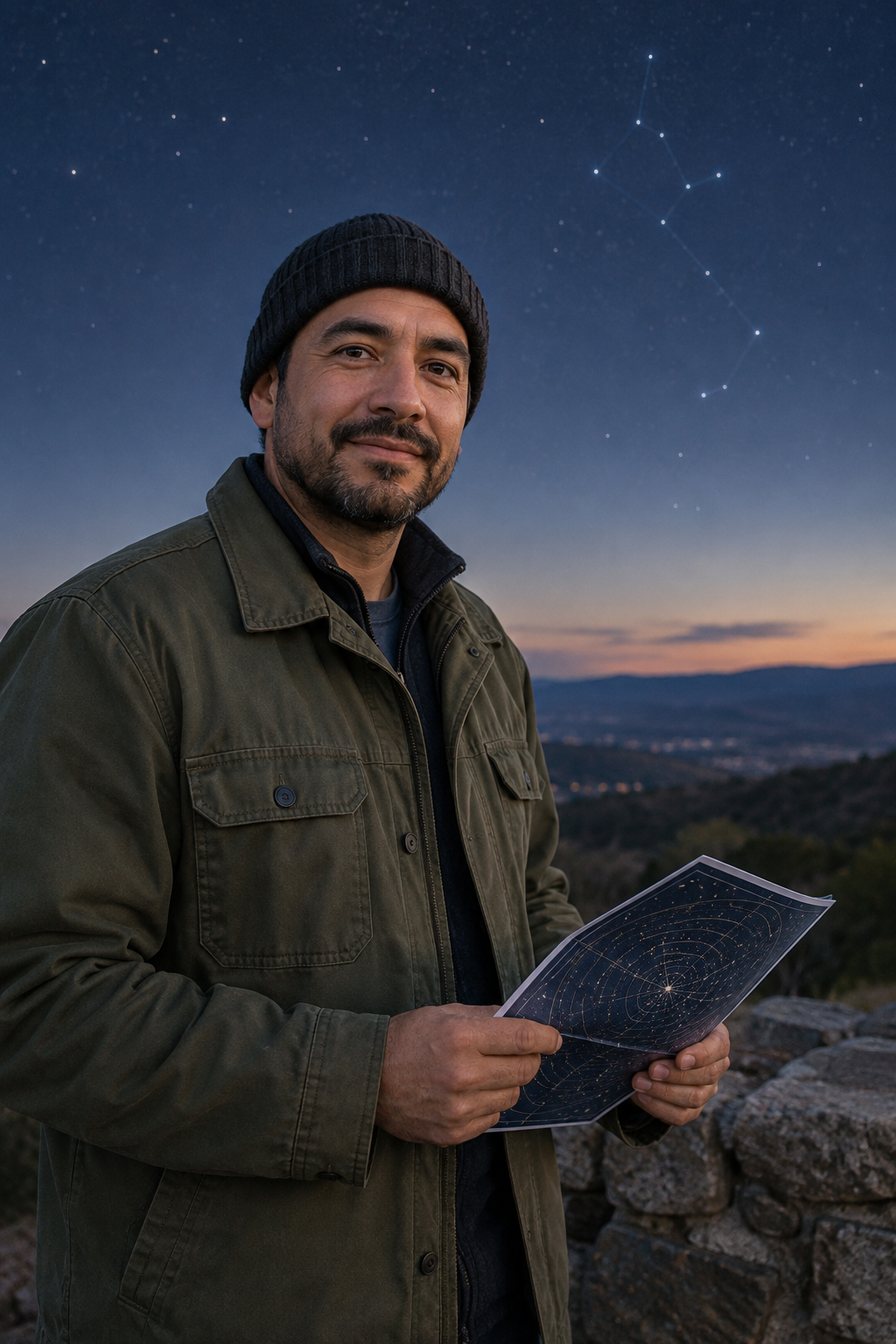
Constellation Guide Lead
Omar creates seasonal constellation handouts and leads short sky-orientation walk-throughs before each group observation session.
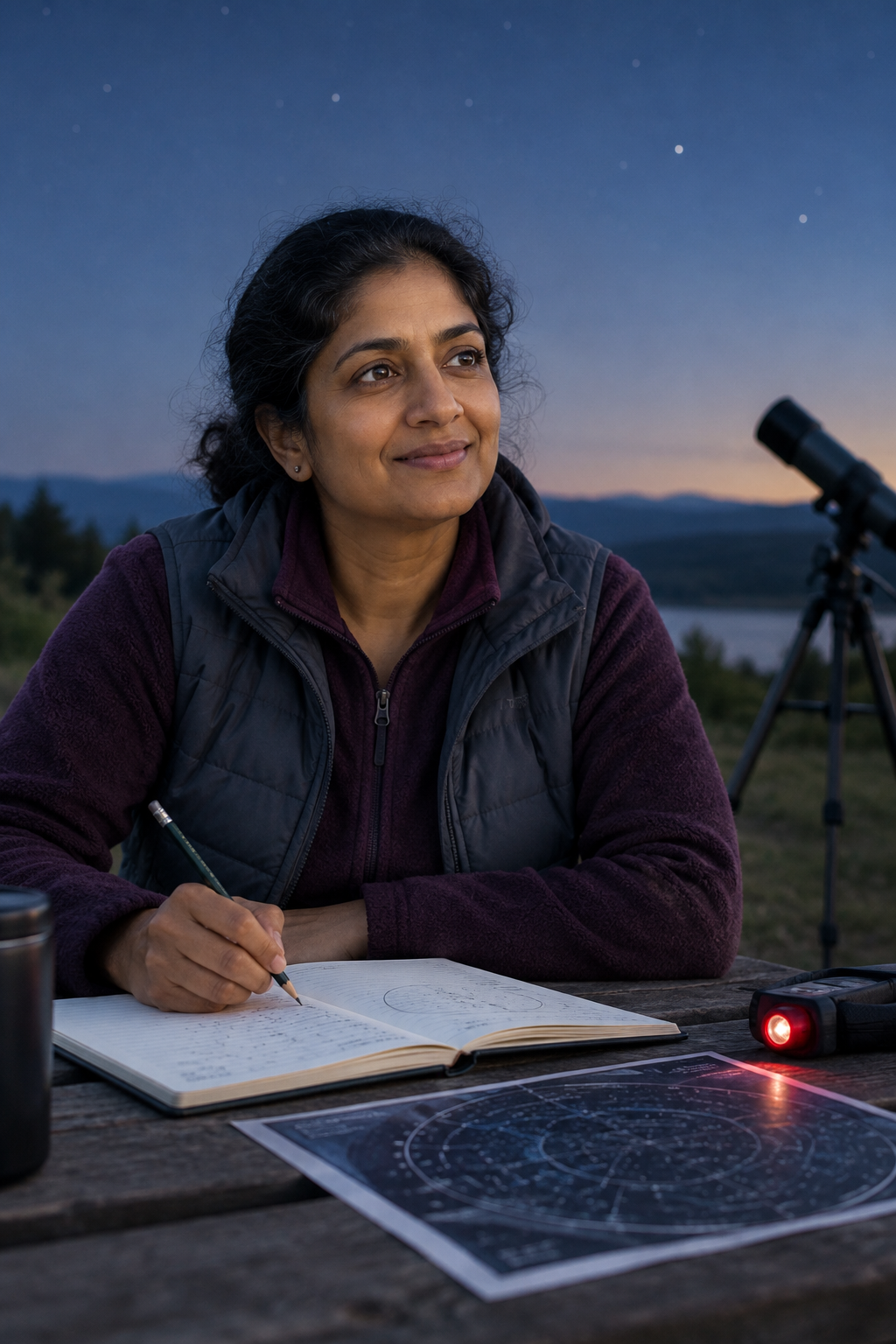
Observation Notes Editor
Priya curates member observing notes into clear recaps so everyone can revisit key sightings and learn from shared field experience.
Club values
A calm, non-commercial community built on careful skywatching and generous shared knowledge.
We ask clear questions and keep wondering, whether we are new to the sky or years into the hobby.
Good observing takes steady attention, dark adaptation, and the time to look twice.
We compare notes, trade techniques, and turn individual sightings into collective understanding.
We protect dark-sky etiquette, welcome all experience levels, and care for one another’s viewing time.